Recycling vs Reuse in the Textile Industry
Two complementary strategies for reducing the textile industry’s environmental impact.
Recycling and reuse: two strategies for the textile industry
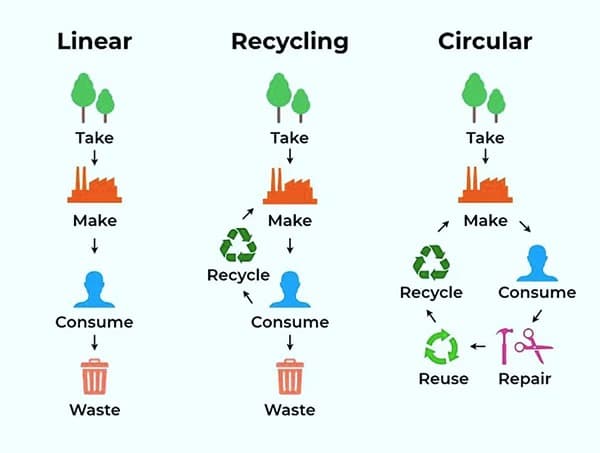
Recycling and reuse are two essential concepts in the textile industry, both having a significant impact on the environment and the economy. While recycling involves transforming used materials into new textile products, reuse focuses on repurposing clothing and textiles without processing them. The choice between recycling and reuse may depend on several factors, including the condition of the material, economic viability, and ecological impact.
Ecological impact
Recycling textile materials can significantly reduce waste going to energy recovery or landfill, saving natural resources and minimising pollution. By transforming textile waste into new products, the need for producing new raw materials is reduced, having a positive impact on the environment.
On the other hand, reusing clothing and textiles offers immediate benefits in terms of resource conservation. Reuse does not require energy-intensive processes and can considerably reduce textile waste. By donating or selling used clothing that is still in good condition, the lifespan of products is extended and environmental impact is minimised.
Economic viability
From an economic perspective, reuse can be more advantageous than recycling, as the costs associated with collecting, processing, and transforming materials are significantly reduced. Second-hand clothing markets and online sales platforms have grown, highlighting the popularity and profitability of reusing textile items.
Recycling, although it can be costly, offers opportunities for innovation and new product development. The textile industry is increasingly exploring the use of advanced technologies to improve the efficiency of recycling processes, which can open new markets and stimulate economic growth.
Social implications
Reusing clothing also has important social implications, promoting responsible consumption and awareness of the textile industry's impact on the environment. Reuse initiatives can encourage communities to engage in sustainability efforts and support the circular economy.
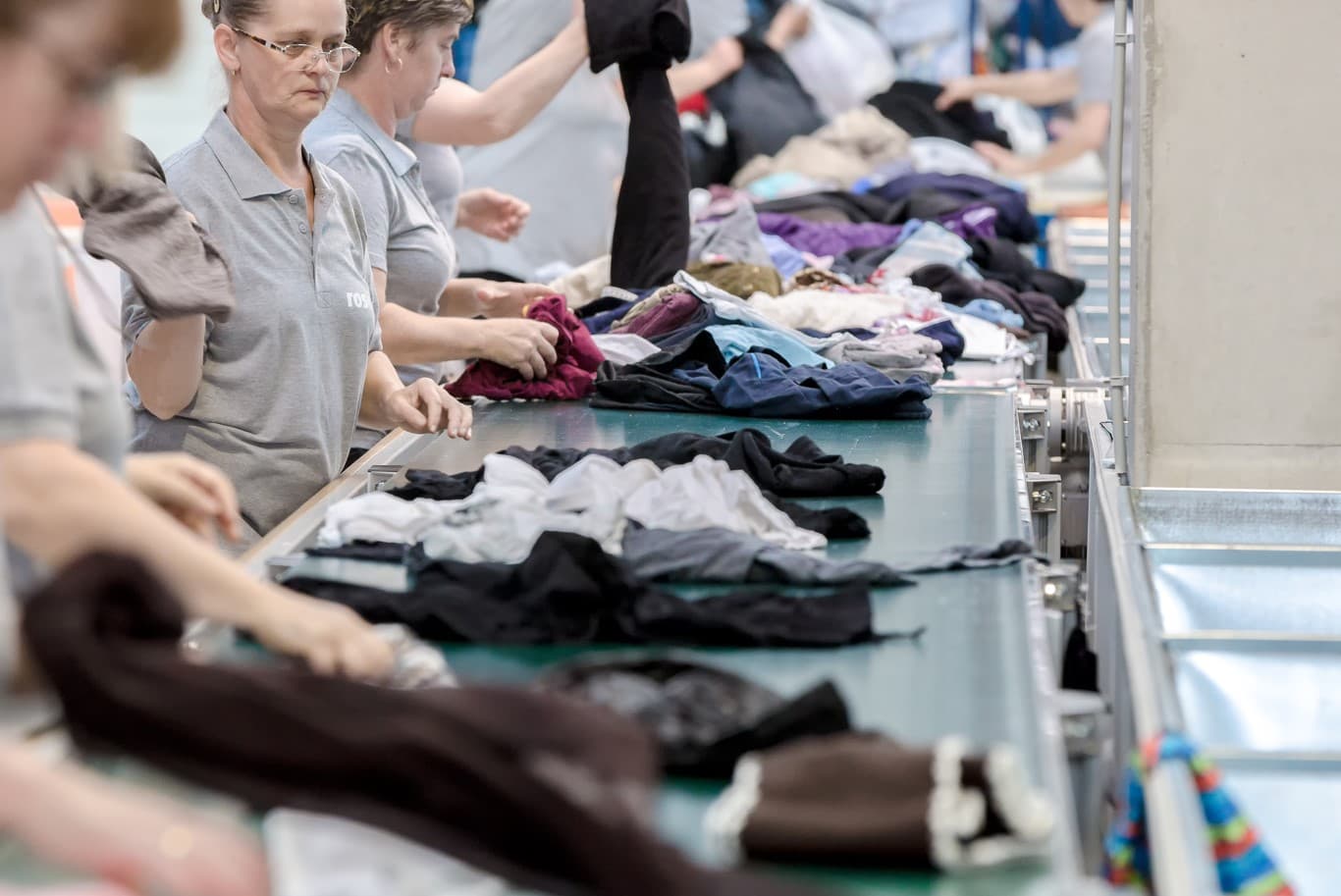
Recycling, by generating new jobs in collection, sorting, and processing, can have a positive social impact, contributing to the development of local communities.
Conclusion
Both recycling and reuse in the textile industry have their essential roles in promoting sustainability and reducing negative environmental impact. The choice between the two depends on multiple considerations, including the condition of the material, costs, and ecological benefits. To maximise positive impact, it is essential to adopt a balanced approach that incorporates both strategies within a circular economic model. Encouraging consumers to adopt more sustainable practices, such as buying second-hand clothing or participating in recycling programmes, can contribute significantly to transforming the textile industry into one that is more responsible towards the environment.